The best SEO tools for content creation in 2026 are Sight AI (content generation plus AI search visibility), Surfer SEO and Clearscope (on-page optimization), Frase and MarketMuse (briefs and topic strategy), and Semrush, Ahrefs and SE Ranking (keyword and competitor research). Most teams need one research tool and one optimization tool, plus a way to track whether content shows up in AI answers from ChatGPT, Claude and Perplexity.
The usual problem is tool sprawl: one product for keyword research, another for writing optimization, a third for performance tracking. The comparison below covers what each tool does well, who it suits and what it costs, so you can build a stack without paying twice for the same capability.
Quick comparison
| Tool | Primary strength | Starting price | Free option |
|---|---|---|---|
| Sight AI | AI content generation + AI visibility tracking | Contact for pricing | No |
| Surfer SEO | Real-time content scoring | $89/mo | No |
| Clearscope | Semantic content grading | $170/mo | No |
| Semrush Writing Assistant | Integrated keyword + competitor data | $129.95/mo | Limited |
| Frase | Content briefs and question research | $15/mo | Trial |
| MarketMuse | Topic authority and content strategy | $149/mo | Yes |
| Ahrefs Content Explorer | Performance and backlink research | $99/mo | No |
| NeuronWriter | Budget NLP optimization | $19/mo | Trial |
| Writesonic | Bulk AI content generation | $16/mo | Yes |
| SE Ranking Content Editor | All-in-one SEO platform | $52/mo | Trial |
| GrowthBar | Chrome extension SERP insights | $36/mo | Trial |
Prices are entry-tier list prices at the time of writing; vendors change plans frequently, so confirm on each pricing page.
1. Sight AI
Best for: Teams prioritizing AI visibility alongside traditional SEO content creation
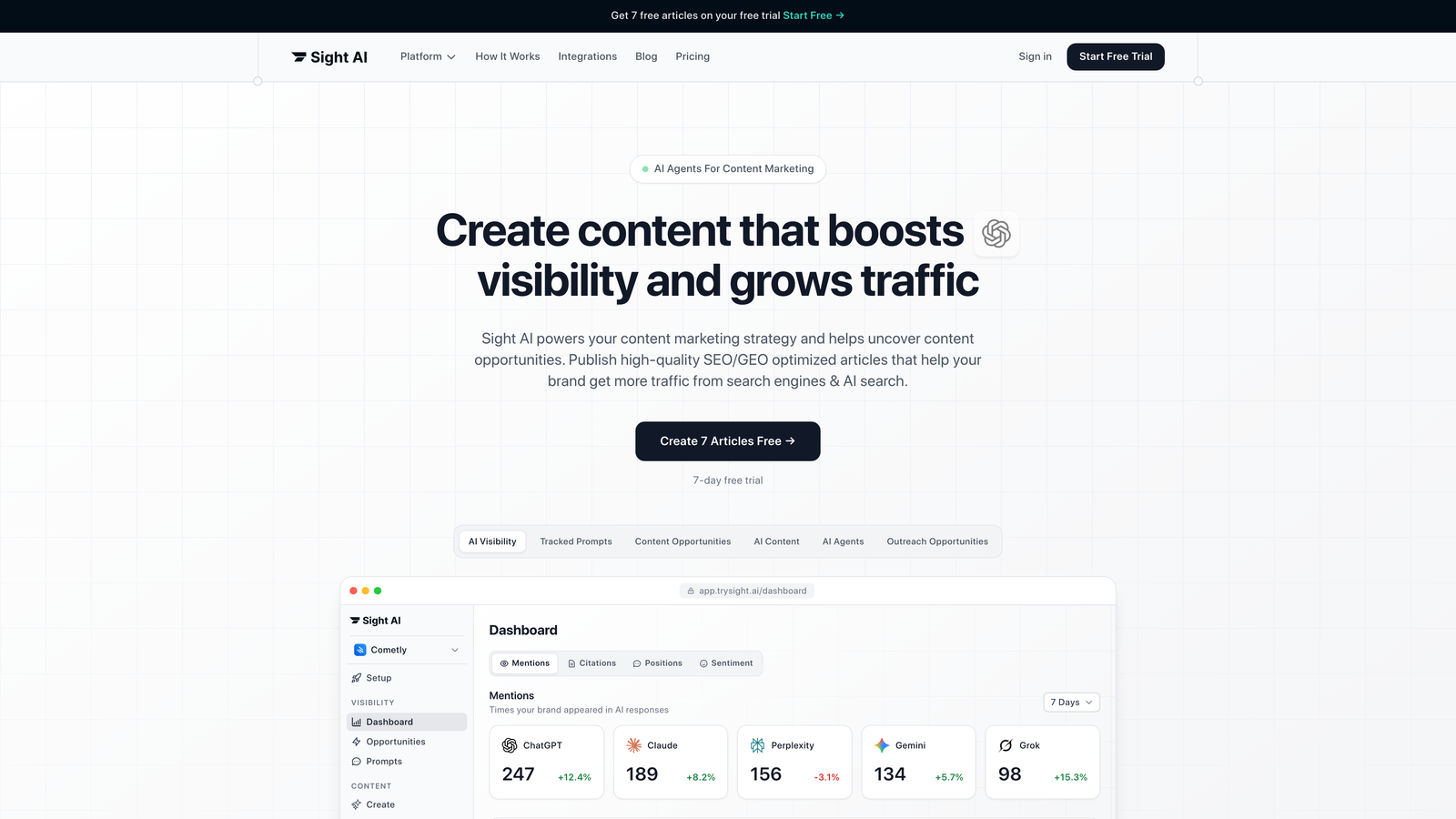
Sight AI combines content generation with AI visibility tracking across platforms like ChatGPT, Claude, and Perplexity.
Where This Tool Shines
Sight AI addresses a gap most SEO tools ignore: how AI models actually talk about your brand. Traditional tools focus on Google rankings. Sight AI monitors your presence across six AI platforms and shows when and how your brand appears in AI-generated responses.
The platform's 13 specialized AI agents handle different content types, from listicles to technical guides. Its Autopilot Mode generates SEO- and GEO-optimized content automatically. The IndexNow integration pushes your content to search engines as soon as it is published, cutting discovery time from days to hours.
Key Features
AI Visibility Tracking: Monitor brand mentions across ChatGPT, Claude, Perplexity, and other AI platforms with sentiment analysis.
13+ Specialized Writing Agents: Separate agents tuned for specific formats such as comparison posts, how-to guides, and product reviews.
Autopilot Content Generation: Set parameters and let the system generate complete, optimized articles based on your brand voice and target keywords.
IndexNow Integration: Automatically notify search engines when you publish new content for faster indexing.
CMS Auto-Publishing: Connect your content management system so articles publish directly, without manual copying and pasting.
Best For
Marketing teams and agencies managing multiple clients who need to track both traditional SEO performance and AI search visibility. It is most useful for brands in competitive industries, where AI-generated recommendations influence buyer decisions.
Pricing
Contact for pricing based on your content volume and team size.
2. Surfer SEO
Best for: Real-time content optimization with live scoring as you write
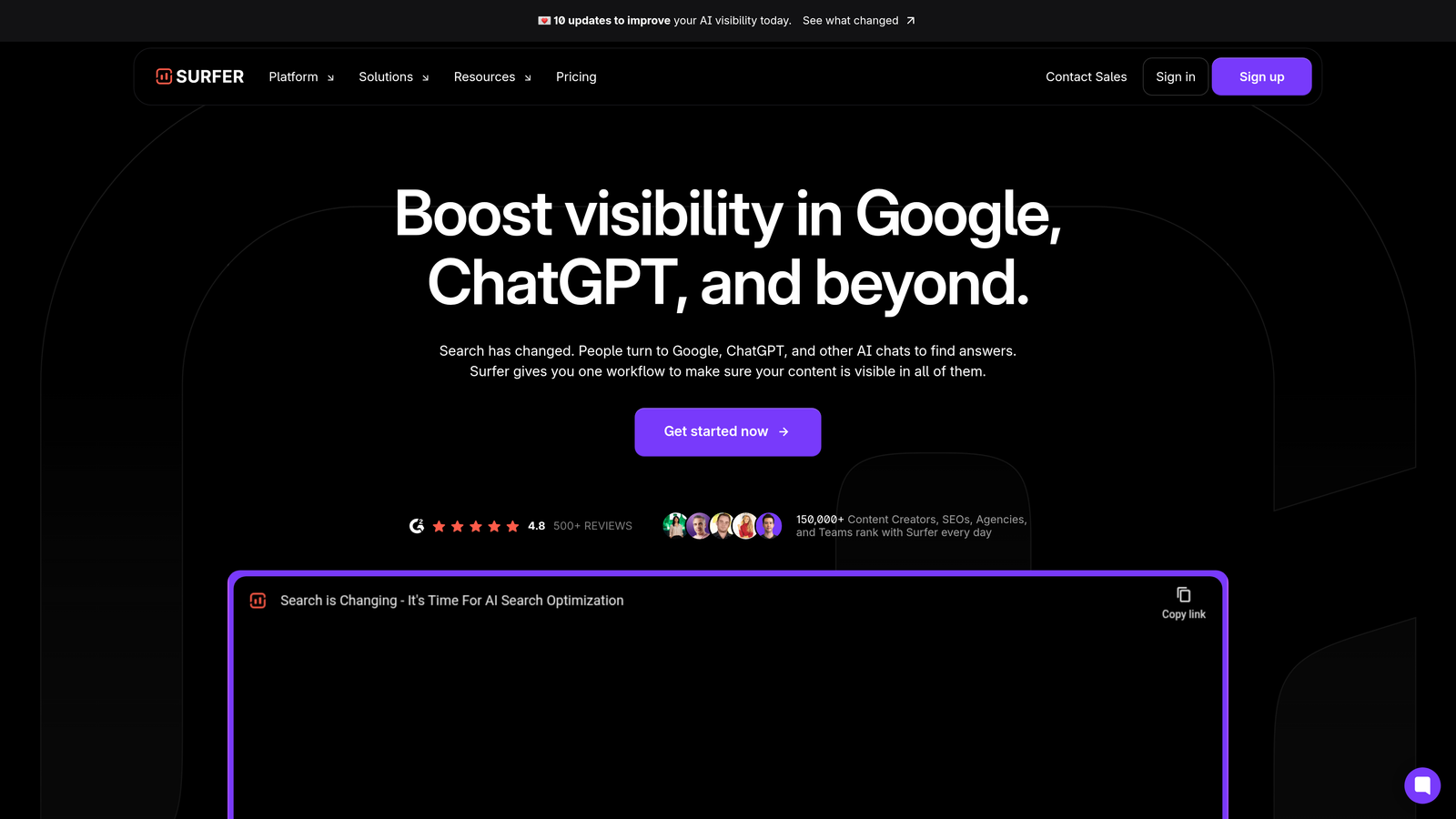
Surfer SEO analyzes top-ranking pages using natural language processing to provide actionable writing recommendations.
Where This Tool Shines
Surfer SEO shows what is working for top-ranking competitors, so you are not guessing at what to optimize. As you write, it scores your content in real time and suggests keywords to add, a target word count, and structural changes.
The SERP analyzer breaks down why certain pages rank, covering keyword density, content structure, and semantic relevance. You get a blueprint before you start writing instead of optimizing after the fact.
Key Features
Real-Time Content Scoring: Your optimization score updates as you write, with specific recommendations for improvement.
SERP Analyzer: Detailed analysis of top-ranking pages and the factors behind their rankings.
Content Audit Tool: Scan existing content to find optimization opportunities and articles that need a refresh.
Keyword Research Integration: Built-in keyword clustering and research tools connected directly to your content editor.
Google Docs Add-On: Optimize content directly in Google Docs without switching between platforms.
Best For
Content writers and SEO specialists who want immediate feedback while writing. It suits teams producing high volumes of content who need consistent optimization standards.
Pricing
Plans start at $89 per month, with tiers based on content volume.
3. Clearscope
Best for: Enterprise teams requiring detailed semantic analysis and content grading
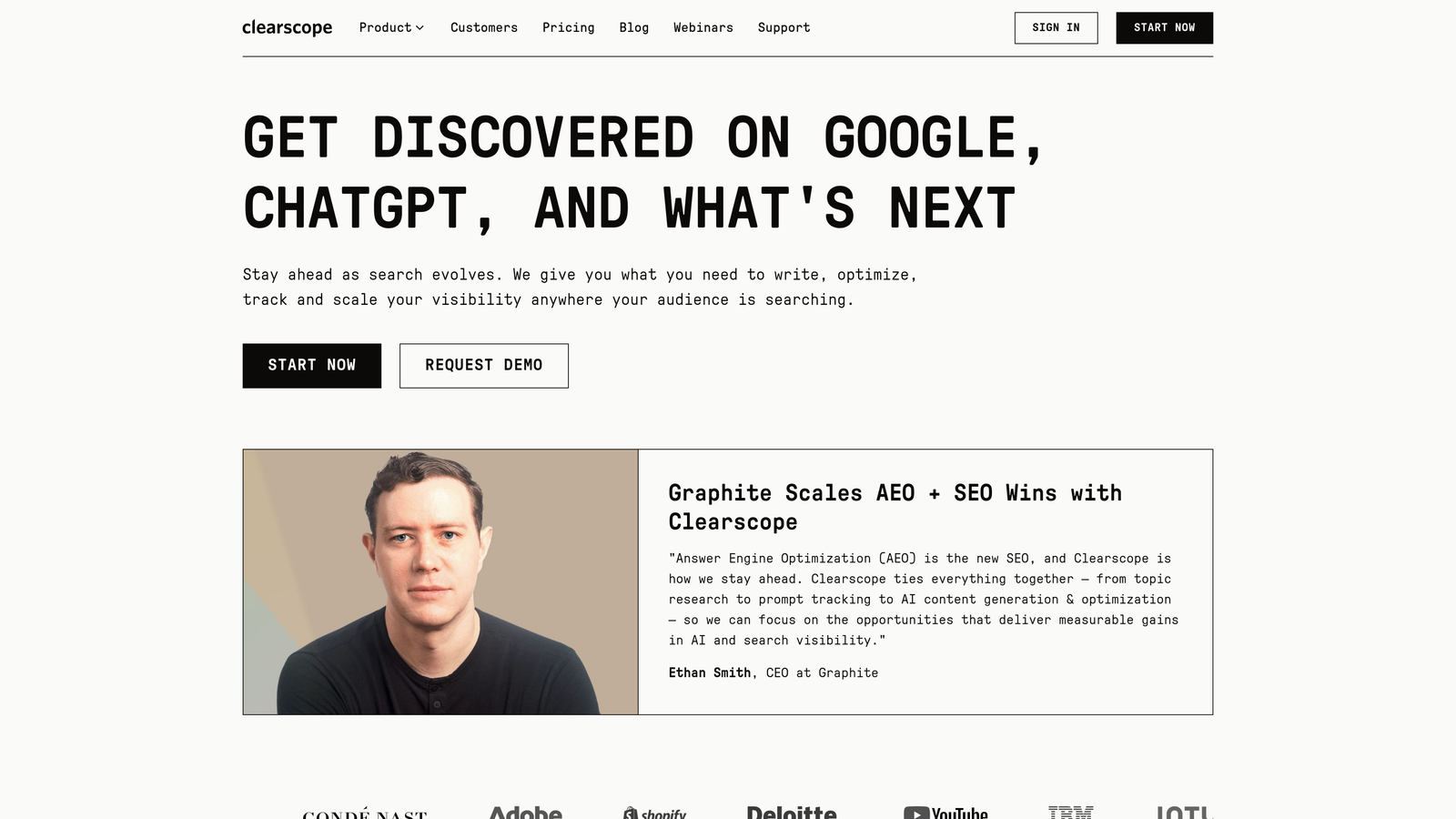
Clearscope focuses on semantic relevance, with an enterprise-grade content grading system that goes beyond basic keyword matching.
Where This Tool Shines
Clearscope's A++ grading system evaluates content comprehensiveness by analyzing semantic relationships between terms. It identifies the primary keywords and also the related concepts that top-ranking content covers, which helps you write more thorough, authoritative pieces.
The content inventory feature audits your entire site at scale and flags which articles need updates and which are performing well. That matters for large content libraries, where manual auditing becomes impractical.
Key Features
A++ Content Grading: A scoring system that evaluates semantic completeness and topical authority.
Semantic Keyword Recommendations: Suggests related terms and concepts based on what top-ranking content covers.
Google Docs and WordPress Plugins: Optimize content in your existing writing environment.
Content Inventory Reports: Site-wide analysis showing optimization opportunities across your entire content library.
Team Collaboration Features: Share reports, assign optimization tasks, and track progress across team members.
Best For
Enterprise content teams and large agencies managing extensive content portfolios. The reporting and collaboration features are most useful when multiple stakeholders need visibility into content performance.
Pricing
Starts at $170 per month, with custom enterprise pricing for larger teams.
4. Semrush Writing Assistant
Best for: Teams already using Semrush who want integrated content optimization
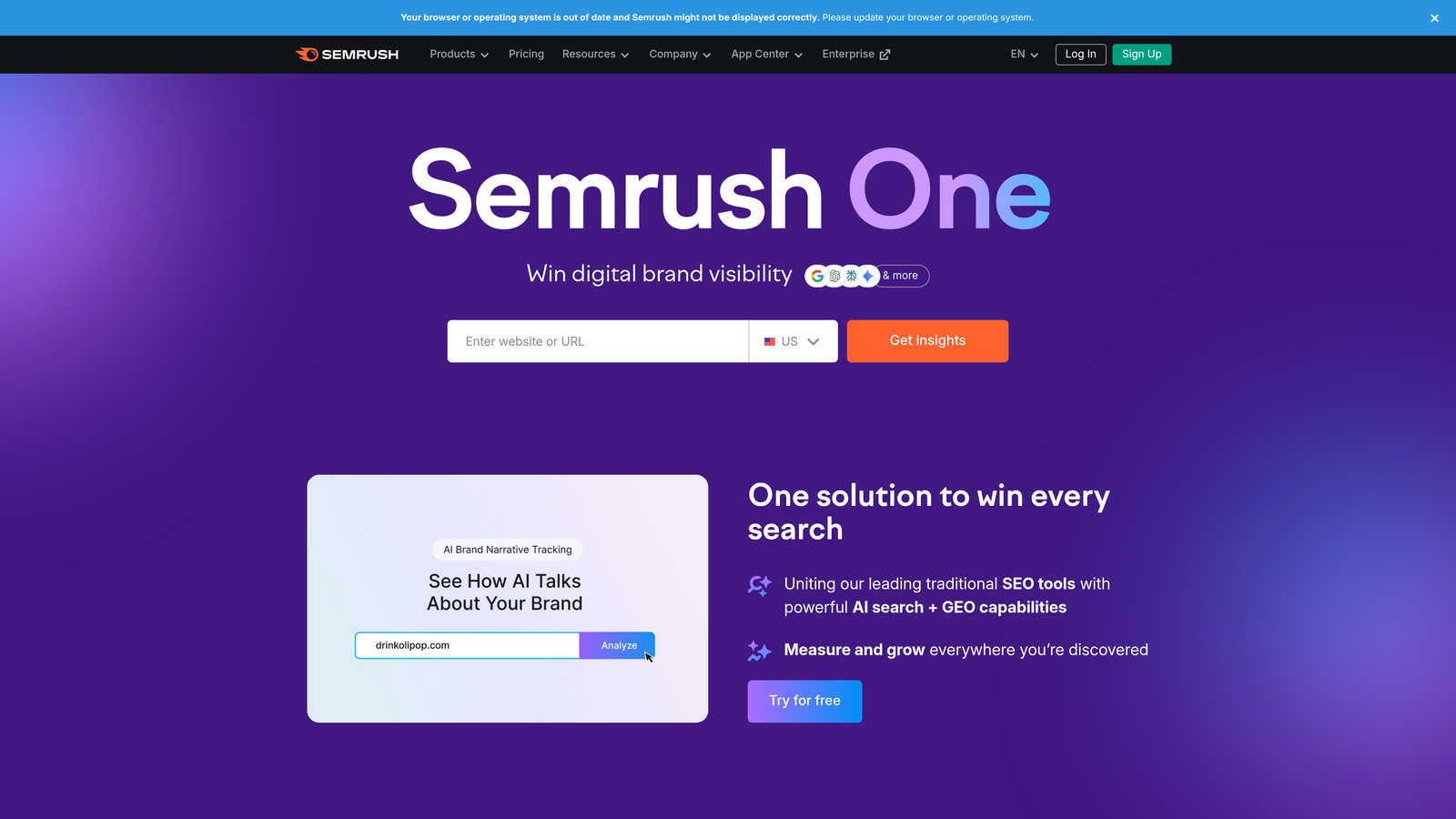
Semrush Writing Assistant draws its optimization recommendations directly from Semrush's keyword and competitor databases.
Where This Tool Shines
The Writing Assistant uses Semrush's keyword database and competitor intelligence to make context-aware optimization suggestions. Because it sits inside the broader Semrush platform, you can pull in competitor content analysis, backlink data, and keyword difficulty scores without switching tools.
The tone of voice analysis flags content that deviates from your established style, which keeps the brand voice consistent across multiple writers. This is useful for agencies managing content for several clients with different brand voices.
Key Features
SEO and Readability Scoring: Two scores that balance search optimization against readability.
Tone of Voice Analysis: Checks content against your brand voice by analyzing sentence structure, word choice, and formality level.
Plagiarism Checking: Built-in plagiarism detection to ensure content originality.
Google Docs and WordPress Integration: Optimize content directly in your preferred writing environment.
Competitor Content Analysis: Compare your content against top-ranking competitors using Semrush's SERP data.
Best For
Existing Semrush users who want to consolidate their SEO stack. Combined with Semrush's keyword research and competitor analysis, it covers the workflow from research to publication in one platform.
Pricing
Included with Semrush subscriptions starting at $129.95 per month.
5. Frase
Best for: Question-based content optimization and AI-generated content briefs
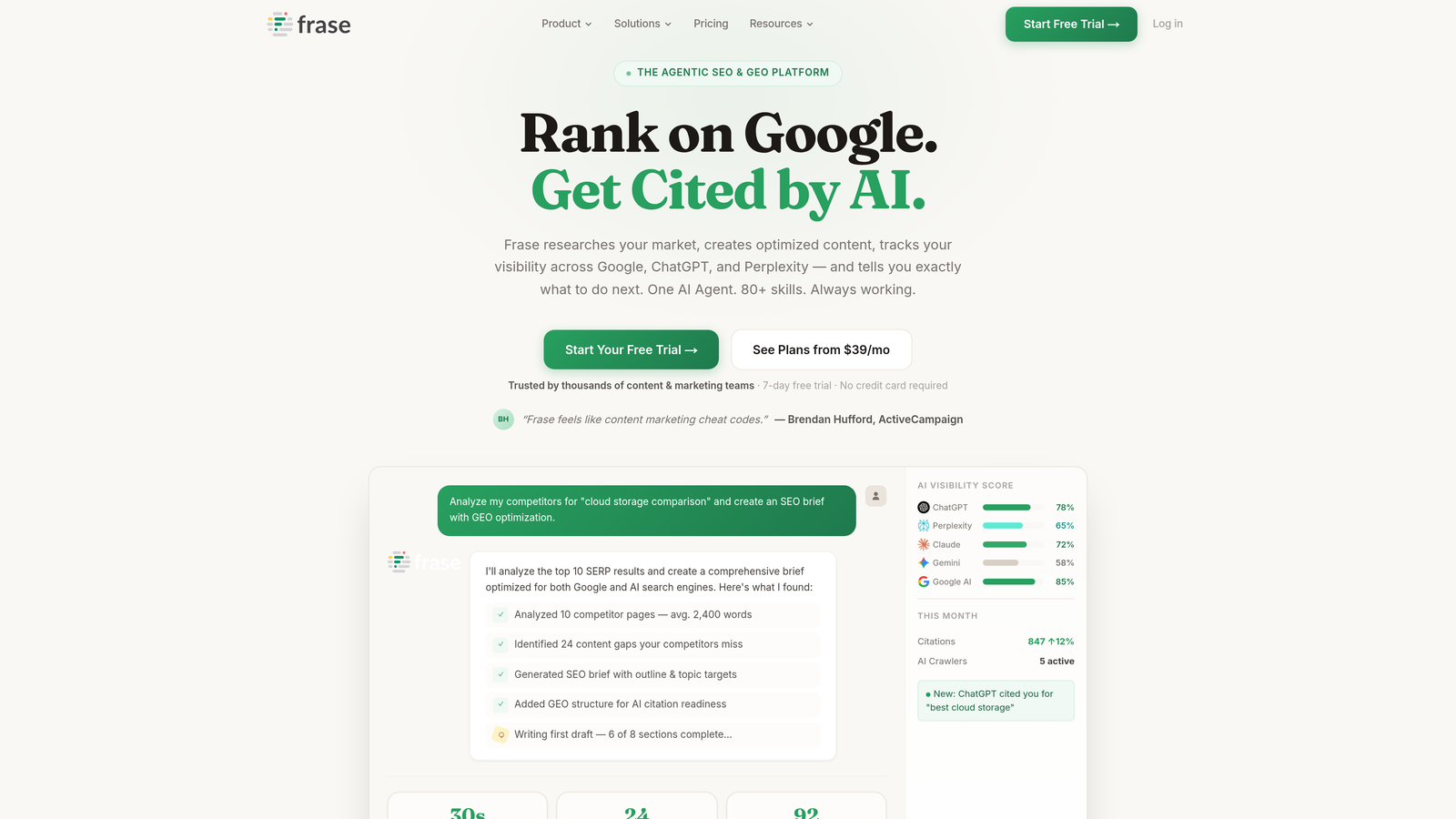
Frase specializes in research automation, pulling questions from People Also Ask and generating content briefs.
Where This Tool Shines
Frase is strongest at question research. It automatically pulls queries from Google's People Also Ask boxes and related searches, which shows what users want to know about a topic and makes it easier to match search intent.
The AI content brief generator analyzes top-ranking pages and builds structured outlines with recommended headings, questions to answer, and semantic keywords to include. This cuts research time substantially while making sure you cover the relevant angles.
Key Features
AI Content Brief Generator: Automatically creates detailed outlines based on SERP analysis.
SERP-Based Outline Creation: Analyzes top-ranking content to suggest article structure.
Question Research: Pulls questions from People Also Ask boxes and related searches to identify content gaps.
Content Optimization Scoring: Real-time scoring as you write, with specific improvement recommendations.
AI Writing Assistant: Generate paragraphs and sections based on your outline and target keywords.
Best For
Content strategists and writers who spend significant time on research and outlining. The question-focused approach suits informational content and how-to guides.
Pricing
Plans start at $15 per month, making it one of the most affordable options for solo creators.
6. MarketMuse
Best for: Content strategy and topic authority building across entire content libraries
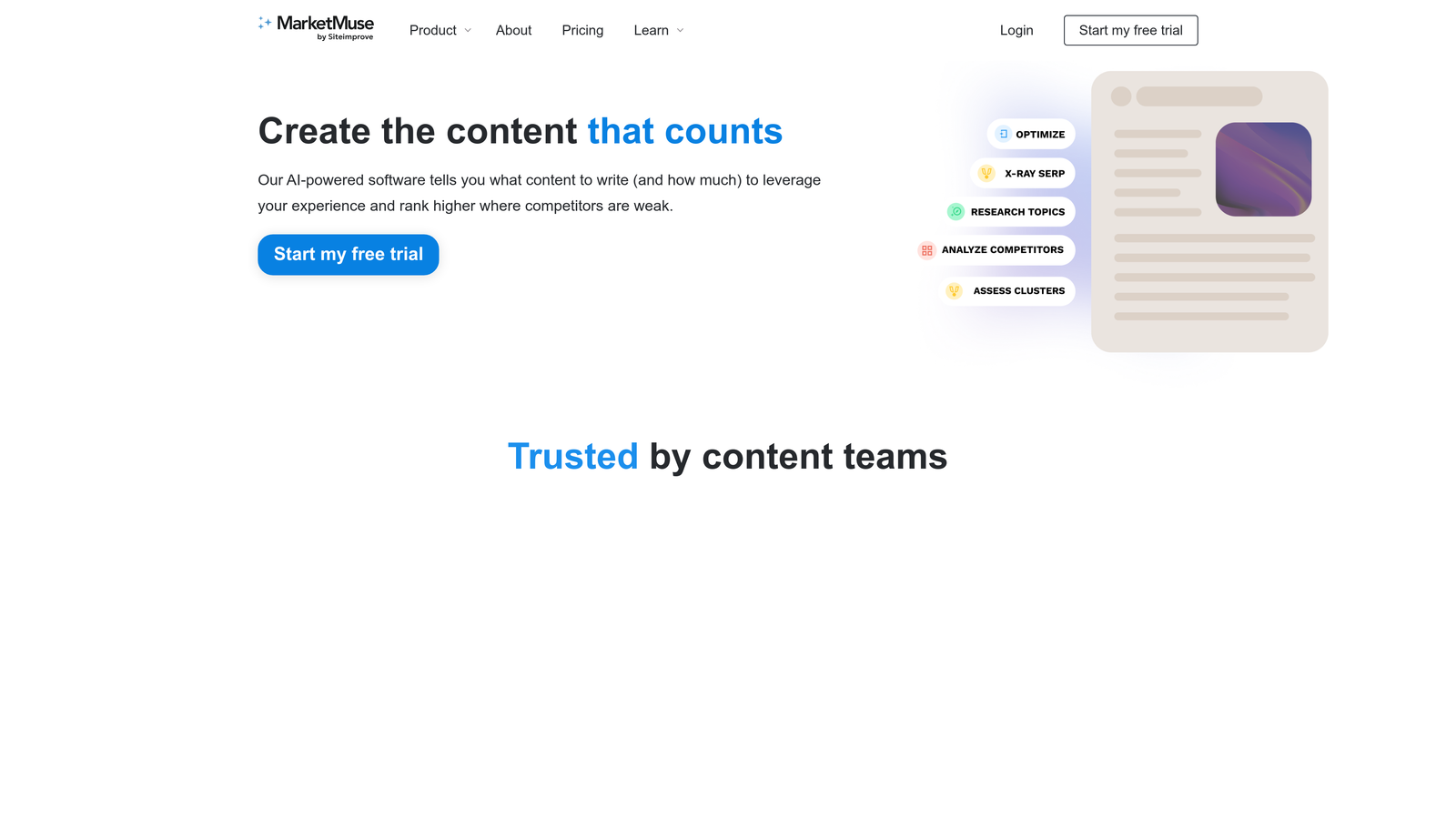
MarketMuse uses AI-powered topic modeling to identify content gaps and build topical authority systematically.
Where This Tool Shines
MarketMuse works at the strategy level. It analyzes your entire content library to show where you have authority and where you have gaps. Its personalized difficulty scores show which topics you are positioned to rank for, based on your existing content and domain authority.
The content clustering feature groups related topics so you can build topic clusters that establish authority in specific subject areas. Planning clusters this way usually works better than optimizing individual articles in isolation.
Key Features
Topic Authority Scoring: Measures your site's authority on specific topics compared to competitors.
Content Inventory Analysis: Audits your entire content library to identify strengths and gaps.
Personalized Difficulty Scores: Shows which keywords you are positioned to rank for based on your existing authority.
Content Clustering: Groups related topics to help you build content hubs.
Competitive Content Gap Analysis: Identifies topics your competitors cover that you are missing.
Best For
Content strategists and SEO directors running large content operations who need to decide where to invest. Its insights are most useful when planning content roadmaps rather than optimizing individual pieces.
Pricing
Free tier available for basic features; paid plans start at $149 per month.
7. Ahrefs Content Explorer
Best for: Content research based on performance metrics and backlink analysis
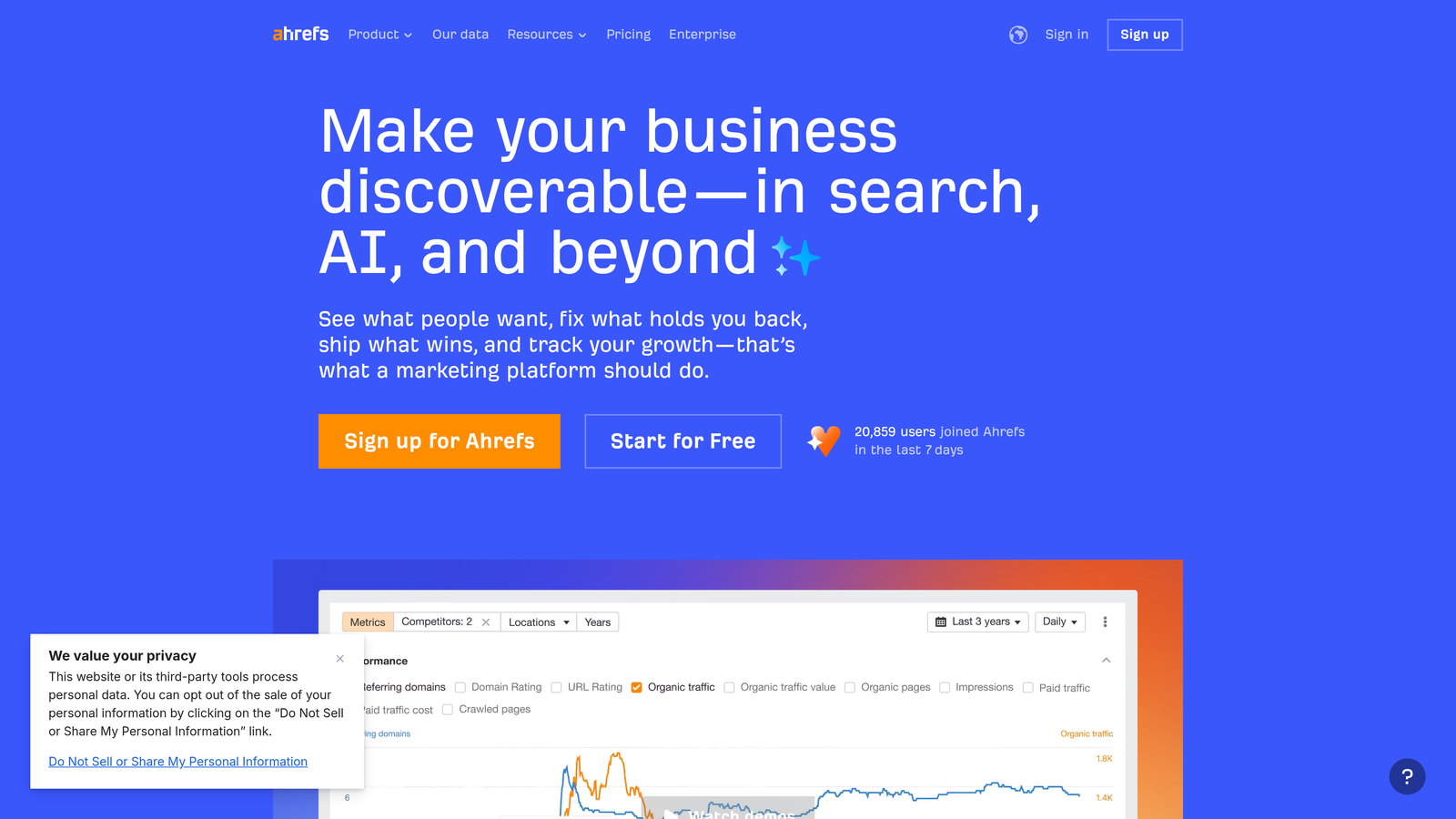
Ahrefs Content Explorer searches a database of billions of pages to find high-performing content and backlink opportunities.
Where This Tool Shines
Content Explorer lets you search by topic, domain, or author to find content that is driving results. Its performance metrics show which pieces earned the most backlinks, social shares, and organic traffic, so you can identify proven content angles before you start writing.
The backlink analysis reveals who links to competitor articles and why. That helps you find link-building opportunities and understand what makes content linkworthy in your niche.
Key Features
Content Performance Metrics: See traffic estimates, backlink counts, and social shares for any piece of content.
Backlink Analysis for Content: Identify who links to competitor content and find potential outreach targets.
Referring Domain Tracking: Monitor which domains consistently link to content in your niche.
Content Trend Identification: Spot trending topics based on recent content performance.
Topic Research Filters: Search by keyword, domain rating, traffic, or publication date to find specific content types.
Best For
Content marketers focused on link building and competitive research. It is most useful when you need to understand what already works in your space before creating new content.
Pricing
Included with Ahrefs subscriptions starting at $99 per month.
8. NeuronWriter
Best for: Budget-conscious teams needing NLP-based optimization without enterprise pricing
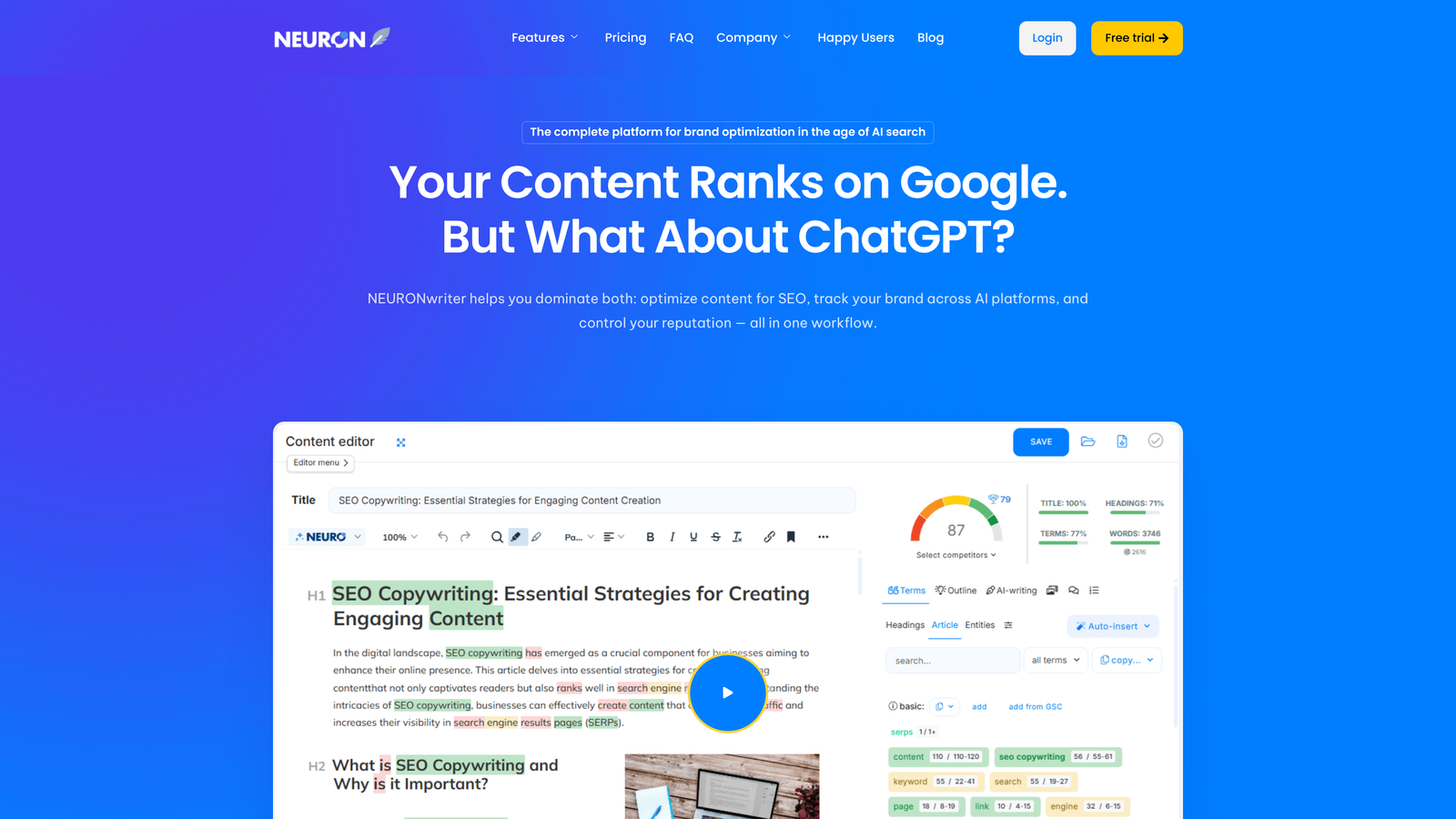
NeuronWriter combines natural language processing analysis with competitor research at an accessible price point.
Where This Tool Shines
NeuronWriter delivers many of the same NLP-based recommendations as premium tools at a fraction of the cost. It analyzes Google SERP data to identify semantic keywords and content structure patterns, then gives specific optimization recommendations.
Its content planning features help you organize multiple articles and track optimization progress across projects. It also suggests internal links to strengthen your site structure, which many competing tools overlook.
Key Features
NLP Content Recommendations: Semantic keyword suggestions based on natural language processing analysis.
Google SERP Data Analysis: Analyzes top-ranking pages to identify optimization patterns.
Content Planning Features: Organize multiple content projects and track optimization status.
Internal Linking Suggestions: Identifies opportunities to strengthen internal linking structure.
Multi-Language Support: Optimize content in multiple languages beyond English.
Best For
Solo content creators, small agencies, and startups who need professional-grade optimization without enterprise budgets. Multi-language support makes it a good fit for international content teams.
Pricing
Plans start at $19 per month, with tiers based on content volume.
9. Writesonic
Best for: Bulk content generation with multiple format templates
Writesonic focuses on AI-powered content generation at scale, with templates for different content types.
Where This Tool Shines
Writesonic is built for speed and volume, with templates for blog posts, product descriptions, ad copy, and more. It generates content with source citations, which addresses one of the biggest concerns with AI writing tools: accuracy and attribution.
Its brand voice customization learns your writing style over time, which keeps tone consistent across large volumes of content. That matters when you publish dozens of articles per month.
Key Features
Multiple Content Templates: Pre-built templates for blog posts, landing pages, product descriptions, and more.
Factual Content with Citations: Generates content with source citations to support factual claims.
Brand Voice Customization: Trains on your existing content to match your writing style.
Bulk Content Generation: Create multiple pieces of content at once.
SEO Meta Tag Generator: Automatically generates optimized title tags and meta descriptions.
Best For
Content teams that prioritize volume and speed over deep optimization. It suits e-commerce sites that need product descriptions and agencies managing multiple clients with high content demands. If you are comparing generation-first options specifically, see our review of automated article writing services.
Pricing
Free tier available for testing; paid plans start at $16 per month.
10. SE Ranking Content Editor
Best for: Teams using SE Ranking's all-in-one SEO platform
SE Ranking Content Editor integrates content optimization with SE Ranking's wider SEO toolset.
Where This Tool Shines
The Content Editor is tightly integrated with SE Ranking's rank tracking, backlink analysis, and technical SEO tools. You can see how content optimization affects your actual rankings over time and connect content performance to broader SEO metrics.
The keyword clustering feature groups related terms automatically. This lets one article target several related keywords without keyword stuffing, which matches how modern search engines assess topic relevance.
Key Features
Content Quality Scoring: Real-time optimization score based on SERP analysis.
Keyword Clustering: Automatically groups related keywords for complete topic coverage.
Competitor Content Analysis: Compare your content structure and keyword usage against top-ranking competitors.
Writing Recommendations: Specific suggestions for improving content based on top-ranking pages.
Integration with SE Ranking Tools: Connect content performance to rank tracking and technical SEO data.
Best For
SEO professionals who want one platform for rank tracking, technical SEO, and content optimization. It works best when you need to tie content work to measurable ranking improvements.
Pricing
Included with SE Ranking subscriptions starting at $52 per month.
11. GrowthBar
Best for: Quick SERP research and rapid content generation via Chrome extension
GrowthBar combines a Chrome extension for instant SERP insights with AI-powered blog post generation.
Where This Tool Shines
GrowthBar's Chrome extension shows competitive data while you browse search results. You can see domain authority, backlink counts, and keyword data for any page without leaving Google, which makes research much faster.
The AI blog post generator creates complete outlines and drafts from target keywords, handling the structure and first draft. The content outline builder suggests headings based on what is ranking, giving you a solid starting point before writing.
Key Features
Chrome Extension for SERP Insights: View competitive metrics directly in Google search results.
AI Blog Post Generator: Creates complete blog post outlines and drafts from target keywords.
Keyword Research Tool: Built-in keyword discovery with search volume and competition data.
Competitor Analysis: Quick competitive data on any domain or page.
Content Outline Builder: Generates suggested headings based on top-ranking content.
Best For
Solo marketers and small teams who need quick research without complex workflows. The Chrome extension suits people who do frequent competitive research throughout the day.
Pricing
Plans start at $36 per month, with tiers based on usage volume.
Making the Right Choice
The best SEO tool for content creation depends on your workflow and goals. For teams that need AI visibility alongside traditional SEO, Sight AI combines content generation with monitoring across AI platforms like ChatGPT and Claude, a gap most traditional SEO tools leave open.
Enterprise teams often prefer Clearscope or MarketMuse for their strategic analysis and content inventory management. Both work best when you manage a large content library and need data to decide where to invest. Budget-conscious creators get strong value from NeuronWriter or Frase, which deliver professional-grade optimization at low prices.
If you already pay for a broad SEO platform, the content editors in Semrush or SE Ranking let you work without switching tools. For teams focused on volume and speed, Writesonic or GrowthBar handle bulk content generation efficiently.
Start with your primary pain point:
- Research is the bottleneck: prioritize Frase or Ahrefs Content Explorer.
- Optimization is the bottleneck: look at Surfer SEO or Clearscope.
- You need to know how AI models describe your brand: this matters more as AI search gains share, and it is where platforms like Sight AI fit.
A practical stack for a mid-sized team is one research platform (Semrush, Ahrefs or SE Ranking), one optimization editor (Surfer, Clearscope or NeuronWriter), and one AI visibility tracker. Avoid buying two tools that both score content against the SERP; their recommendations overlap heavily. For platforms that bundle research, writing and publishing in one subscription, see our guide to all-in-one SEO content platforms.
Most tools offer free trials or freemium tiers. Test two or three on the same target keyword before committing, and compare the briefs and scores they produce. Check how well each one integrates with your existing workflow; the best tool is the one your team will use consistently. Start tracking your AI visibility today to see where your brand appears across top AI platforms while generating optimized content that drives organic traffic.
Frequently asked questions
What are the best AI SEO tools for content briefs and on-page optimization?
For briefs, Frase is the most efficient: it builds outlines from SERP analysis and People Also Ask questions. For on-page optimization, Surfer SEO and Clearscope lead, with NeuronWriter as the budget alternative. Many teams generate the brief in Frase and then optimize the draft in Surfer or Clearscope. Sight AI covers both steps and adds tracking of how the published content appears in AI answers.
Which tools provide blog topics with SEO data included?
Semrush, Ahrefs and SE Ranking attach search volume, keyword difficulty and competitor rankings to every topic idea. MarketMuse adds personalized difficulty based on your site's existing authority, and GrowthBar shows volume and competition inside its outline builder. Ahrefs Content Explorer is the best of these for checking which topics have already earned traffic and backlinks for competitors.
Which content creation tools offer competitive keyword research features?
Semrush Writing Assistant, Ahrefs Content Explorer and SE Ranking Content Editor all connect to full competitor keyword databases. MarketMuse offers competitive content gap analysis, and GrowthBar shows competitor metrics in its Chrome extension. Optimization-only tools like Clearscope analyze competing pages for a single query but do not provide domain-level competitor research.
Are there free SEO content creation tools?
Yes, with limits. MarketMuse and Writesonic have free tiers, and most others, including Frase, NeuronWriter and SE Ranking, offer trials. Free plans typically cap the number of queries, briefs or words per month, so they suit testing or very low volume. For ongoing production, Frase ($15/month) and NeuronWriter ($19/month) are the cheapest paid options covered here.
What is the best SEO tool stack for a mid-sized company?
Most mid-sized teams do well with three tools: a research platform, an optimization editor, and an AI visibility tracker. The "Making the Right Choice" section above lays out specific combinations and the overlaps to avoid.