Getting your content indexed quickly is no longer optional. It's a competitive advantage. Whether you're publishing SEO articles, GEO-optimized guides, or product pages, content that sits unindexed is invisible to both search engines and AI models — and in 2026, that's two separate audiences you're missing.
The good news: several platforms now offer free trials so you can test indexing capabilities before committing. This list covers the best content indexing tools available to try right now, selected for their indexing speed, automation features, AI visibility support, and overall value for marketers, founders, and agencies.
We evaluated each tool on how well it handles sitemap management, IndexNow integration, crawl acceleration, and content discoverability — both in traditional search and emerging AI search environments. If you're also looking to strengthen your broader organic strategy, our guides on how to index a website in Google and XML sitemap best practices are worth bookmarking alongside this list.
1. Sight AI
Best for: Teams that want indexing automation, AI visibility tracking, and content generation in one platform.
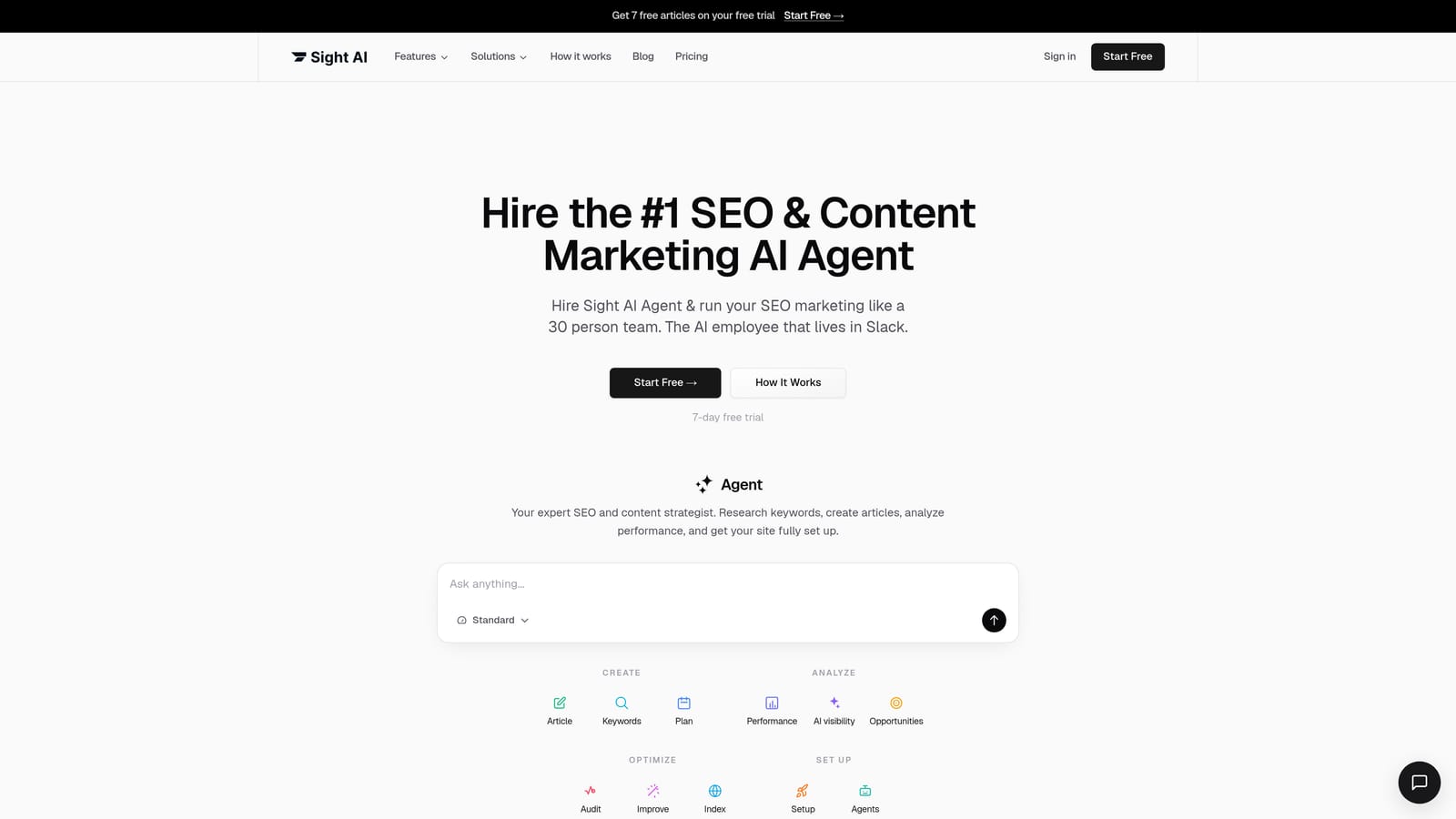
Sight AI is an all-in-one platform combining automated content indexing, AI brand mention tracking, and a multi-agent content writer built for marketers and agencies focused on organic and AI search growth.
Where This Tool Shines
Most tools in this space handle one piece of the puzzle: either they help you publish content, or they help you track visibility, or they submit URLs to search engines. Sight AI connects all three layers. When you publish a piece of content, it can automatically update your sitemap, submit the URL via IndexNow, and track whether that content starts appearing in AI-generated responses across platforms like ChatGPT, Claude, and Perplexity.
That last piece matters more than most teams realize. Content must be properly indexed and structured before AI models can surface it in their responses. Sight AI is one of the few platforms that treats traditional indexing and AI discoverability as connected problems rather than separate ones.
Key Features
IndexNow Integration: Submits new URLs to search engines near-instantly, reducing the crawl lag that delays content from appearing in search results.
Automated Sitemap Updates: Triggered automatically when new content is published, so your sitemap always reflects your current content library without manual intervention.
AI Visibility Score: Tracks how and where your brand is mentioned across ChatGPT, Claude, Perplexity, and three or more additional AI platforms, with sentiment analysis included.
13+ Specialized AI Agents: Generates SEO and GEO-optimized articles, listicles, and guides structured for both search engine indexing and AI answer engine discoverability.
Autopilot Mode with CMS Publishing: Handles the full content workflow from generation to publishing to indexing, with minimal manual input required.
Best For
Sight AI is particularly well-suited for growth-focused marketers, content-heavy agencies, and SaaS founders who want a single platform to manage content production, indexing automation, and AI brand monitoring — without stitching together three separate tools.
Pricing
Free trial available. Visit trysight.ai for current plan details and pricing tiers.
2. Writesonic
Best for: High-volume content teams that need SEO-structured articles and copy at scale.
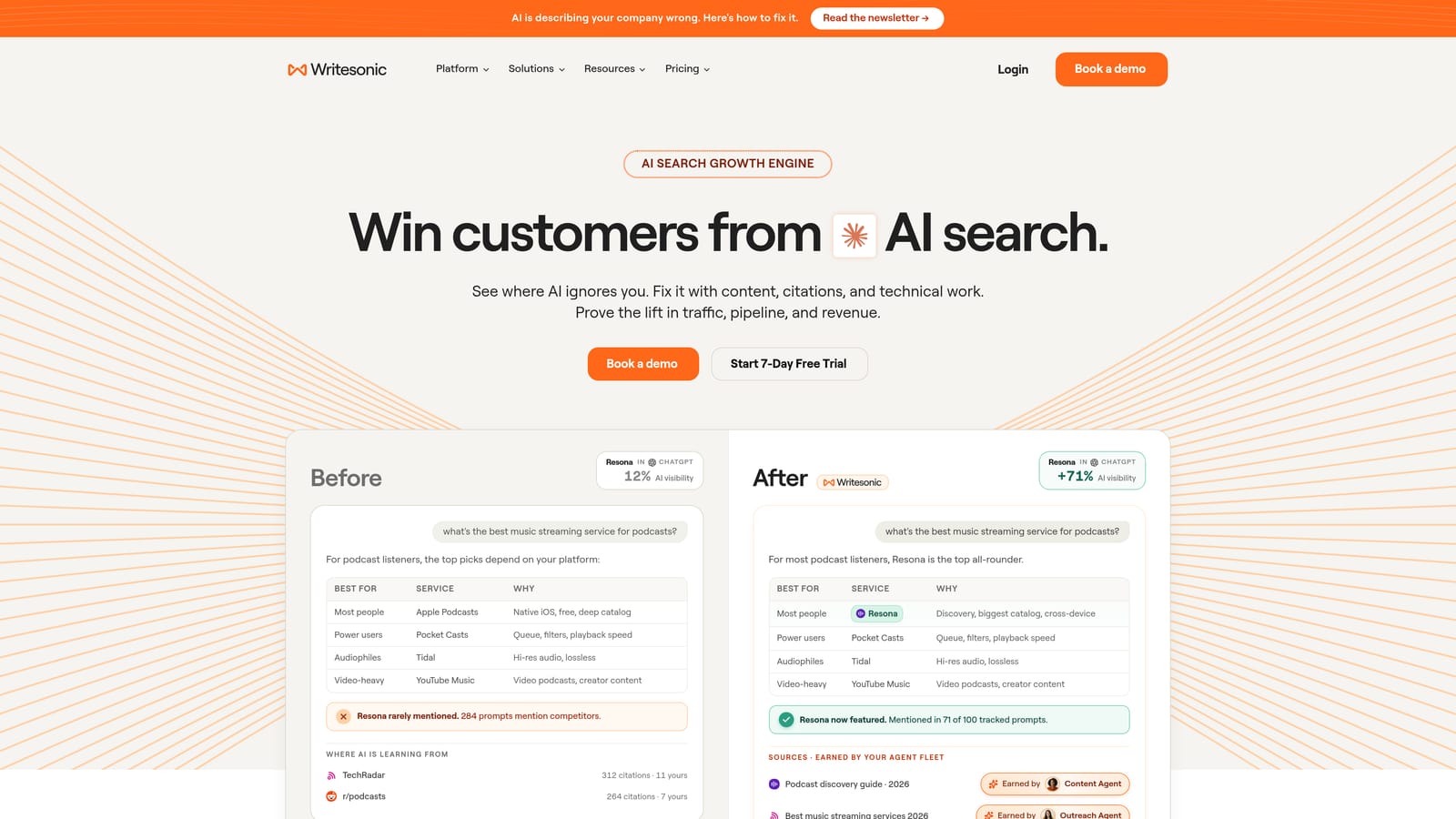
Writesonic is an AI content generation platform that produces SEO-structured articles, product descriptions, and marketing copy formatted for efficient search discoverability.
Where This Tool Shines
Writesonic's core strength is volume and structure. It can produce large quantities of SEO-ready content quickly, with output that follows the kind of heading hierarchy and keyword structure that search engine crawlers respond well to. For teams running high-frequency publishing schedules, this matters: well-structured content indexes more efficiently than unstructured drafts that need heavy editing before they're publish-ready.
It's worth noting that Writesonic doesn't natively include IndexNow submission or sitemap automation. It's a content generation tool, not an indexing infrastructure tool. Teams using it typically pair it with a separate indexing solution or CMS plugin to handle the submission side.
Key Features
AI Article Writer: Produces long-form content with SEO optimization built into the output structure, including heading hierarchies and keyword placement.
Bulk Content Generation: Supports high-volume publishing workflows, allowing teams to produce multiple pieces simultaneously.
CMS Integrations: Connects with popular content management systems to streamline the path from draft to published page.
Brand Voice Customization: Lets teams define a consistent tone and style that carries across all generated content at scale.
Best For
Content teams and agencies producing high volumes of SEO articles, product descriptions, or landing pages who want AI assistance with structure and speed — and who have separate indexing tools in place to handle URL submission.
Pricing
Free trial available. Visit writesonic.com for current pricing and plan options.
3. AirOps
Best for: Content operations teams building scalable brief-to-publish workflows with minimal manual steps.
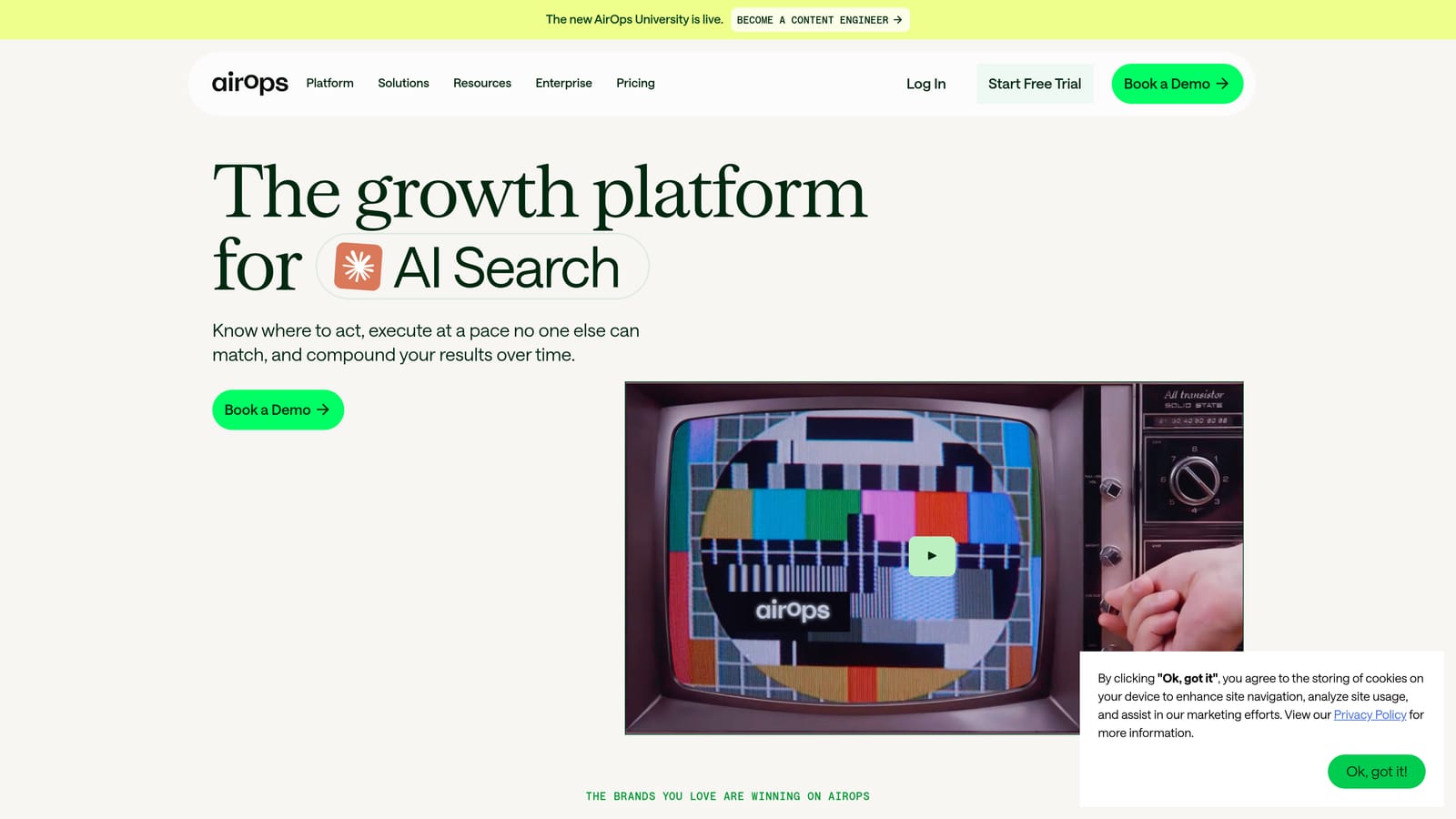
AirOps is a workflow automation platform for content operations teams, enabling scalable pipelines from content brief to publish that reduce the manual steps that delay indexing.
Where This Tool Shines
One of the underappreciated causes of slow content indexing is operational lag: the time between when content is ready and when it actually gets published. AirOps addresses this by automating the pipeline itself. Teams can build custom workflows that take a brief, route it through AI-assisted drafting, apply review steps, and trigger publishing — all without manual handoffs at each stage.
The result is that content moves from ideation to live page faster, which means it enters the indexing queue sooner. For agencies managing content production across multiple clients, this kind of pipeline automation can meaningfully compress the time between content creation and search visibility.
Key Features
AI-Powered Workflow Automation: Builds intelligent pipelines that handle content production steps from brief through to publishing without manual intervention at each stage.
CMS and Data Source Integrations: Connects with content management systems and external data sources to enable automated publishing triggers.
Custom Workflow Builder: Lets teams design brief-to-publish sequences tailored to their specific content operations structure.
Team Collaboration Tools: Supports multi-person content operations at scale, with visibility into pipeline status across projects.
Best For
Content operations teams and agencies that manage high-volume publishing workflows and want to reduce manual handoffs — particularly those where publishing delays are the primary bottleneck slowing down content indexing.
Pricing
Trial access available. Visit airops.com for current plans and pricing.
4. Profound
Best for: SEO and content teams focused on understanding brand visibility in AI-generated search responses.
Profound is an AI search visibility platform that tracks how and where brands appear in AI-generated responses, helping teams understand whether their indexed content is being surfaced by AI models.

Where This Tool Shines
Here's the connection that matters: content indexing isn't just about getting into Google's index anymore. AI models like ChatGPT and Perplexity draw from web-scraped and indexed content when generating responses. If your content isn't properly indexed and structured, it's less likely to be cited. Profound sits at this intersection, helping teams understand which of their indexed content is actually making it into AI-generated answers.
The platform's focus on GEO (Generative Engine Optimization) insights makes it useful for teams that have invested in content production and want to audit whether that investment is translating into AI search presence.
Key Features
Brand Mention Tracking: Monitors how and how often your brand appears across major AI platforms in response to relevant queries.
AI Search Visibility Reporting: Provides trend analysis on brand appearance in AI-generated responses over time.
Content Gap Identification: Surfaces topics and questions where competitors appear in AI responses but your brand does not.
GEO-Focused Insights: Delivers actionable recommendations specifically oriented toward answer engine optimization.
Best For
SEO professionals and content strategists who want to understand how their indexed content performs in AI search environments and identify gaps in their AI visibility strategy.
Pricing
Visit profound.co for trial availability and current pricing information.
5. Peec
Best for: SEO professionals monitoring brand and content citations in AI-generated answers.
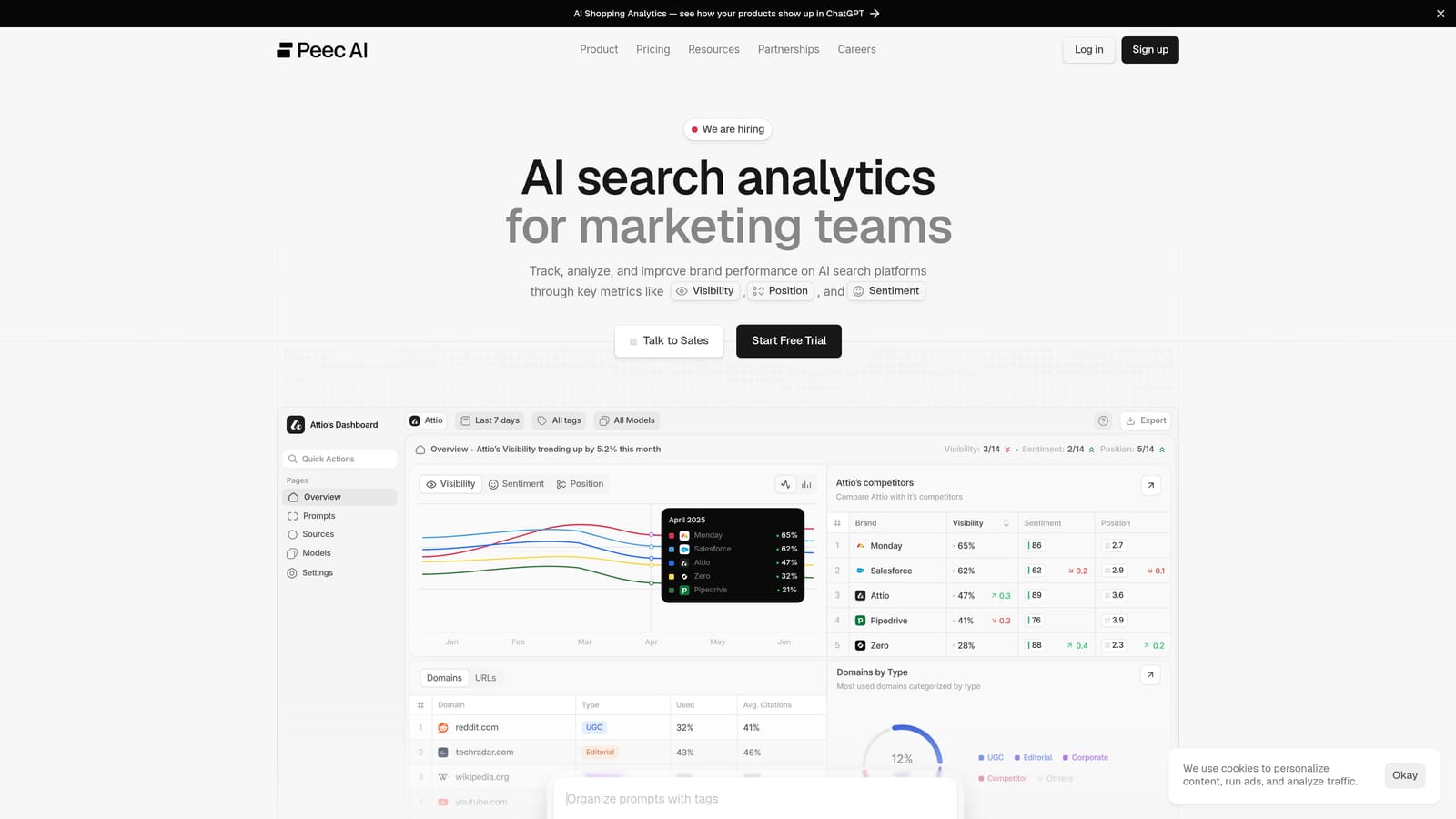
Peec is an answer engine optimization tool that monitors brand and content presence in AI-generated answers, helping SEO professionals understand how their indexed content performs in AI search.
Where This Tool Shines
Peec takes a keyword and topic-level approach to AI visibility monitoring. Rather than just tracking brand mentions broadly, it lets you see how your content performs across specific queries and topics in AI-generated responses. This granularity is useful when you're trying to understand whether a particular piece of indexed content is contributing to your AI search presence or getting overlooked.
The competitor comparison feature adds a layer of strategic context: you can see not just where you appear, but where competitors appear instead of you — which translates directly into content gap opportunities.
Key Features
AI Answer Monitoring: Tracks brand citations in AI-generated responses across major AI search platforms.
Keyword and Topic Visibility: Shows how your content performs across specific queries and topic areas in AI search environments.
Competitor Comparison: Surfaces instances where competitors are cited in AI responses where your brand could or should appear.
Actionable Recommendations: Provides guidance on content and optimization changes to improve AI search presence.
Best For
SEO professionals and content strategists who want topic-level visibility into how their indexed content is performing in AI-generated search responses, with clear competitive benchmarking.
Pricing
Visit peec.ai for trial availability and current pricing details.
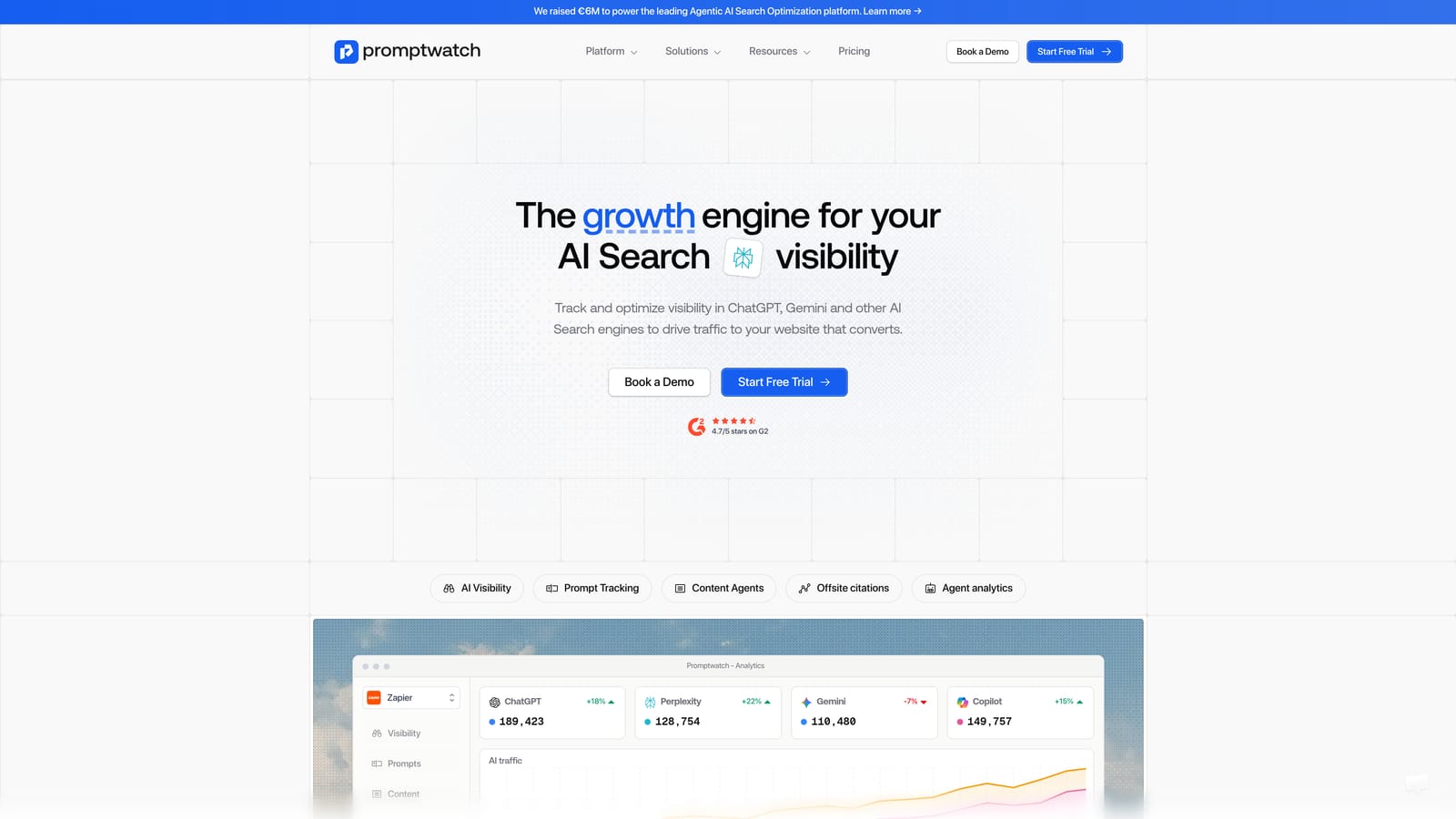
6. Promptwatch
Best for: Teams that want granular, prompt-level insight into how AI models reference their brand.
Promptwatch is a brand monitoring tool focused on tracking how AI models reference brands and content at the prompt level, offering detailed insight into AI search reputation.
Where This Tool Shines
Most AI visibility tools tell you that your brand was mentioned. Promptwatch goes a level deeper, tracking the specific prompt contexts in which your brand appears or doesn't appear. This matters because AI models don't just mention brands randomly — they cite them in response to particular types of queries. Understanding which prompts trigger your brand mentions (and which don't) helps you identify exactly what content gaps to close.
The sentiment analysis layer adds another dimension: not just whether your brand is being mentioned, but whether the AI-generated context around those mentions is positive, neutral, or negative.
Key Features
Prompt-Level Brand Tracking: Monitors the specific query contexts in which AI models reference your brand, not just aggregate mention counts.
Sentiment Analysis: Evaluates the tone and framing of AI-generated brand references across platforms.
Multi-Platform Monitoring: Tracks brand mentions across multiple AI platforms and response types simultaneously.
Mention Change Alerts: Notifies teams when brand mention patterns shift in AI outputs, enabling faster response to visibility changes.
Best For
Brand managers, SEO teams, and agencies that want detailed, prompt-level intelligence on how AI models are referencing their brand — particularly useful for reputation monitoring alongside content indexing efforts.
Pricing
Visit promptwatch.io for trial availability and current pricing information.
Which Tool Is Right for Your Situation
The right choice here depends on what problem you're actually trying to solve. Not every team needs the same combination of indexing, content generation, and AI visibility capabilities.
If you want a single platform that handles indexing automation, AI brand monitoring, and content generation together, Sight AI is the most complete option on this list. The IndexNow integration, automated sitemap updates, and AI Visibility Score work together in a way that no other tool here replicates. It's especially strong for agencies and SaaS marketers who are managing both content production and AI search presence simultaneously.
If your primary need is high-volume content production with SEO structure, Writesonic handles that efficiently and pairs well with a dedicated indexing tool. If operational workflow is the bottleneck — content sitting in drafts instead of going live — AirOps is worth exploring for its pipeline automation capabilities.
For teams specifically focused on AI search visibility rather than indexing infrastructure, Profound, Peec, and Promptwatch each offer distinct angles: Profound for GEO-focused gap analysis, Peec for keyword and topic-level AI monitoring, and Promptwatch for prompt-level brand reputation tracking.
The broader point is this: content that isn't indexed can't be found by search engines, and content that isn't structured for AI discoverability won't be surfaced in AI-generated responses. The best tools on this list help you close both gaps.
Start tracking your AI visibility today and see exactly where your brand appears across top AI platforms — from ChatGPT to Claude to Perplexity — while automating the indexing workflows that get your content discovered faster.